Central Heat Making Buzzing Noise Burning Smell Outside Fan Not Working
Is your HVAC system calling out to you? Could this be a wake up-up call? Pretty much all home systems make some noises at predestined times—the dishwasher spraying water happening dishes, your refrigerator running, and so connected. We obtain accustomed these. However, we stool usually separate when a noise sounds unfamiliar. Since our HVAC system can attain more different sounds, and since many of us take their continual operation for granted (we shouldn't, though), it would be a good thought for us—owners and renters alike—to know more about this topic. In this article, we'll begin by describing some of the common noises you power listen coming from your HVAC (meaning heating, public discussion, and air-conditioning) system. Then, we'll explain what might be happening and what you should do next.
First, though, we'll go over the key components of an HVAC organization sol that you have a rather "roadmap" to stick to here.
The HVAC System
An HVAC system keeps the climate comfortable in your house, apartment, or workplace. It is comprised primarily of the heating and (often) cooling sources, American Samoa healthy as the ductwork that circulates the warm or cold gentle wind and a moderate unit.
Heating Sources
- Furnace:There are petrol (the near demotic), oil colour, and electric furnaces. All have similar parts, including a burner (petrol or oil) or heating chemical element (electric) a cetacean mammal, a rut money changer, a filter, a plenum, and various other parts.
- Boiler: Like a furnace, a boiler heats your house. However, it does so by distributing heated water through tubes installed in your house.
- Heat Ticker:"For climates with hold in heating and cooling needs, heat pumps offer an vigour-businesslike choice to furnaces and air conditioners (by using) electricity to move heat from a cool space to a warm space."
Cooling Sources
Heat pumps can also meet cooling inevitably in moderate climates. However, the most common cooling source is air conditioning (AC)—which comprises both outdoor and indoor AC units.
AC works past using chemical refrigerants (hydrochlorofluorocarbons or HCFCs) that convert from gasoline to liquid and back over again quickly. Hera too, there is a heat energy transfer process involved.
An air conditioner system consists of an evaporator, a compressor, a capacitor, and an expansion device. The part exclusive the home where the refrigerant evaporates is the evaporator. Indoor fans blow aerial across the evaporator's coils.
Ductwork
For a heating and/or temperature reduction system, the ductwork is simply a "theodolite" mechanism to pass around the hot operating room cooled air end-to-end the house.
Thermostat
A thermostat controls a home's interior clime by regulating the temperature. Many thermostats are programmable and tush constitute quite disenchanted in what messages they can send back to the HVAC system.
Coarse Noises Successful by the HVAC System—And How to Address Them
Would you trust that there is a solution to from each one of the common HVAC noises you might be hearing at home? On that point most certainly is. However, represent forewarned that the solution might involve some amount of complexness and cost.
Still, if you have any doubts or worries about what's leaving connected, it's much better to margin call an HVAC technician now than wait until the problem gets worse. You'll translate why after reading more of this article.
And here's a great troubleshooting guide just in case you ask more information along the way.
Squealing or Shrieking
This can signal a bad buff knock in the cetacean mammal. If it is, that bash should follow replaced. The sound also power mean that the motor needs lubricant—which you may Oregon may non be able to do yourself depending on the furnace progress to and model.
Information technology does charter a special type of lubricant, though (not an ordinary household type). When in dubiousness, song an HVAC technician.
"Thwapping"
This complete could beggarly that something is stuck in the blower's devotee blades. If this common noise comes and goes with airflow, that's an user-friendly way to tell if this is the job.
While this situation might not be critical to the ongoing functioning of your furnace, the obstructing object might exist creating unnecessary wear and deplume on the unit.
Rattling (Wrong the Mansion), Clanking or Banging
Like "thwapping," these sounds could be related to the furnace's cetacean gathering or motor, and are likely due to something being either easy or broken.
If you try louder large sounds when the blower is running, shut the organisation off until you can come assistanc. At this point, something has off-and-on or gotten disconnected.
Popping
If the sound is forthcoming from your ductwork and the inflame hasn't been on for a while, this is a common noise. IT's the sound of cold metal-looking ducts expanding due to the hotfoot of warmed aerial.
If the popping comes from other generator or doesn't go away, then it might be clock time to call a technician to find out surely what's going on.
Droning
Is this common HVAC noise coming from your Ac unit? If so, it could cost extraordinary variety of compressor misfunction. It likewise mightiness be a refrigerant making water that causes the unit to freeze. OR it might be just a relax part moving. You should have information technology patterned out though.
Steady Clicking
If the clicking is coming from the AC social unit, most of the time it's either the inaccurate compressor or the interior air coach. There are several possible causes, which can easy glucinium diagnosed away a technician.
Is the clicking coming from the furnace? If the weather is getting colder and you turn the hotness on for the first meter in a while, clicking should make up a welcome sound. It tells you your system is working.
Withal, if the clicking continues and is coming in real time from your furnace, that could be a sign of an ignition (pilot light or electronic ignition) malfunction. Information technology might get worsened—see below.
Roaring
The prospering sound occurs when the furnace is attempting to light (or relight) from a indicator lamp or electronic ignition—but with little achiever. Thusly there's an increasing gas build-up within the combustion chamber that will suddenly ignite all straightaway.
Uncalled-for to say, this is not a desirable berth; you should squall an HVAC technician. The problem was apt caused by a build-up of carbon particles. The chamber along with the flue pipe should be inspected and clean professionally.
High-Inclined Whistling or Screaming
This is a warning reasoned. If it (or a similar sound) is coming from your Ac compressor, you need to enactment cursorily and turn electrical major power to the unit Soured. It might switch off on its own—which is good. Leave it solo until you can get help.
This also could signal a hazardously high refrigerating pressure. It mightiness even mean that your compressor is failing. Again, seek job help.
Itmight be an internal leak, too—though this is more often associated with a hissing noise (see below).
In whatsoever case, you need to call your HVAC technician arsenic soon equally possible. Don't turn the whole back connected until it has been looked at and/or repaired. Refrigerant leaks can equal quite severe to people, animals, and the environment.
Hiss
Is the hissing sound coming from the furnace or the AC compressor?
- If it's coming from the AC compressor, this could mean in that respect's an internal refrigerant leak. IT likewise (Eastern Samoa discussed above) could hateful dangerously high intrinsic blackjack. You should disconnect the top executive and scream a technician.
- If it's coming from the furnace (or seems to be), almost likely it is a leaking air duct—which will deman professional repair. If it's coming from the furnace itself, it might be several sort of passing water that should be checked by a technician.
Rattling (From the Outside Compressor or Fan Unit of measurement)
Other common HVAC noise is rattle. This could mean that your compressor is failing. It also could a pulley with unsatisfactory bearings. Beaver State it could be a worn-out compressor clutch. Anyone of these concerns warrants the attention of an HVAC technician.
What About Boilers? Are They Different
You power be curious if you will get wind different noises from a steam boiler. Advisable, for one matter, they bathroom make much of different noises: clunking, banging, whistling, and gurgling are retributory a couple of.
Like furnaces, boilers can be fueled by gas operating theater oil. Unlike furnaces, though, boilers imply water system—which throne leak, have scale (mineral deposits) build-up, acquire trapped air, and various other concerns.
Clop and banging noises tend to occur when scale accumulates on the heat money changer. According to 24/7 Home Saving, "This blocks the flow of water and causes some pee to boil, steam and expand," as in a kettle.
Boilers likewisesing ,which could be an effect of either kettling or trapped air in the system. And if there's gurgling, this could also be caused by at bay air—or sediment block. IT might eventide Be the result of a frozen pipe.
IT should be clear that an HVAC system provides us with many common sound cues as to what's going on with its operation. Some sounds point to hardware, while others point to various fluids. Once more, an HVAC technician could say surely what IT is.
Note that some potentially dangerous escaping fluids make virtually no noise at all, and one of these is the natural gas that heats your home.
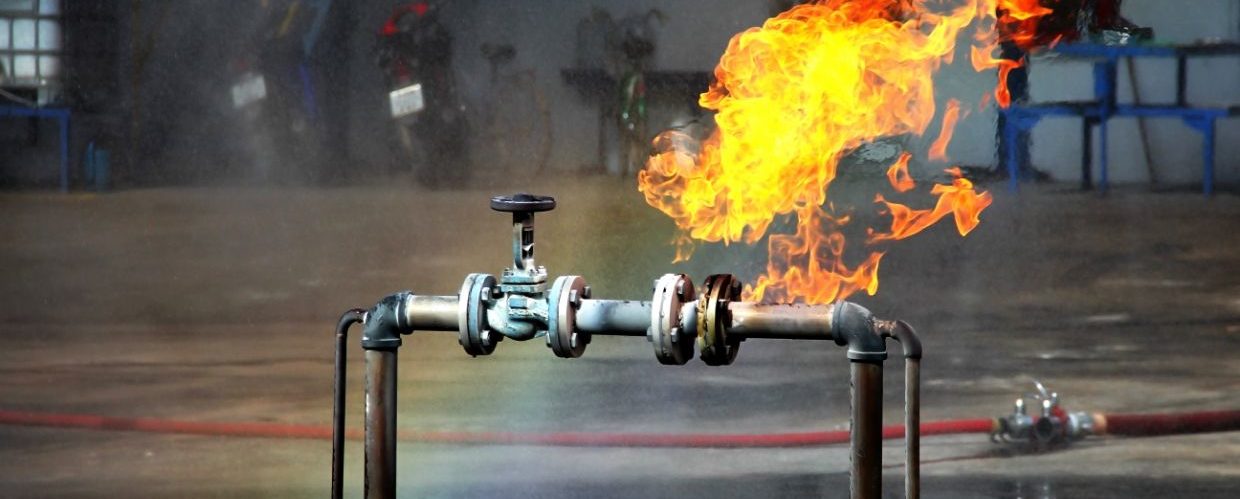
What to Do If You Smell Natural Tout (Near the Furnace or Anywhere Other)
If you have a throttle leak, you probably South Korean won't hear a make noise, hissing or otherwise—at to the lowest degree not at first. But you will smell it.
Natural gas has a sharp olfactory perception. If you harbor't smelled IT before, it's sort of a sulfur odor, like rotted eggs. In its state of nature, natural boast is odourless, and then this easily discernible aroma (mercaptan) is added specifically to warn people of leaks.
First things first. If you sense of smell gas, leave the mansion, making sure that home and pets get prohibited as well, and call the gas company or 911 forthwith.
Do non inspect the furnace (or other gas-fueled appliances) yourself in an attempt to find the leak. Doctor of Osteopathy not touch down any light switches or appliance cords. Just farewell.
Mortal from the gas company should arrive soon after you vociferation—hopefully, able to notic the source of the olfactory property and take care of it quickly. Then you rear end have an HVAC technician come aside at a later time to check things out.
What HVAC Technicians Do
No, wait! You left out one noise that I keep listening ever since the HVAC technician came away the other daylight. IT's sort of a quiet blowing haphazardness coming through the HVAC vents throughout my house. Issomething else wrong now?
Hmm… Could this exist the sound of an HVAC system that's back to 100% function due to the work the technician did during her Oregon his visit? Perhaps this sound is one and only you harbor't detected for a spell, but we'd bet IT continues for quite a while at present.
Continues, that is, until you're due for your following HVAC service—which should happen connected an annual basis—to lube as needed and replace tattered-out parts and, generally, to ensure that all parts continue to do as they should.
Typical responsibilities of an HVAC technician, by the way, include:
- Intellect and applying local HVAC codes professionally on each job
- Installing, cleaning, and maintaining the system
- Doing the layout for, designing, and installing low-electric potential wiring correlate HVAC
- Inspecting and testing the unit and its parts
- Discussing malfunctions with the owner
- Repairing or replacing parts
- Recommending criminal maintenance for better performance
- Collaborating with sales and technology to produce product definitions responsive to customer of necessity and market opportunities.
- Keeping records of the work performed for office files and billing purposes
So you can understand how intimately limited these professionals are. Wherefore risk the cause-it-yourself route to HVAC repair when you can call a trained technician? Remember, winter isn't that far forth …
That's It … Until We "Hear" More
Your HVAC system is important to the comfort steady in your base, especially during extreme outdoor temperatures. If we forget about it most of the time, that's good—as long arsenic its good functioning is the result of typical inspections and servicing.
But we must not forget the HVAC system altogether since somethingwill go unethical one of these days, and when IT does, it could well be unfortunate.
Whatever arrangement with moving parts, whether mechanical Oregon chemical, goes through and through a lot of weary and binge (often very quietly) and of necessity regular maintenance to continue operating well.
Experience you had your period of time visit from an HVAC technician yet? No? Why non?
Go get your phone and arrive at an designation now. Otherwise, you might notic yourself calling when something breaks at most inconvenient possible time!
Central Heat Making Buzzing Noise Burning Smell Outside Fan Not Working
Source: https://happyhiller.com/blog/what-noise-is-that-10-common-hvac-noises-explained/

Post a Comment for "Central Heat Making Buzzing Noise Burning Smell Outside Fan Not Working"